Narrative VR experience · 2026
Wonder of You
A familiar room. A memory just out of reach.
Wonder of You is a first-person narrative VR project exploring memory, loss, and love through the perspective of a fictional person living with Alzheimer’s disease. Familiar interiors give way to dreamlike spaces, making uncertainty part of the experience.
- Role
- Solo Developer & VR Narrative Designer
- Tools
- Unity, C#, XR Interaction Toolkit, OpenXR, Figma, Timeline, Spatial Audio
- Team
- Tina Jiang
- Platform
- Meta Quest 2, 3, and 3S
- Context
- CTAN 504L · Professor Eric Hanson
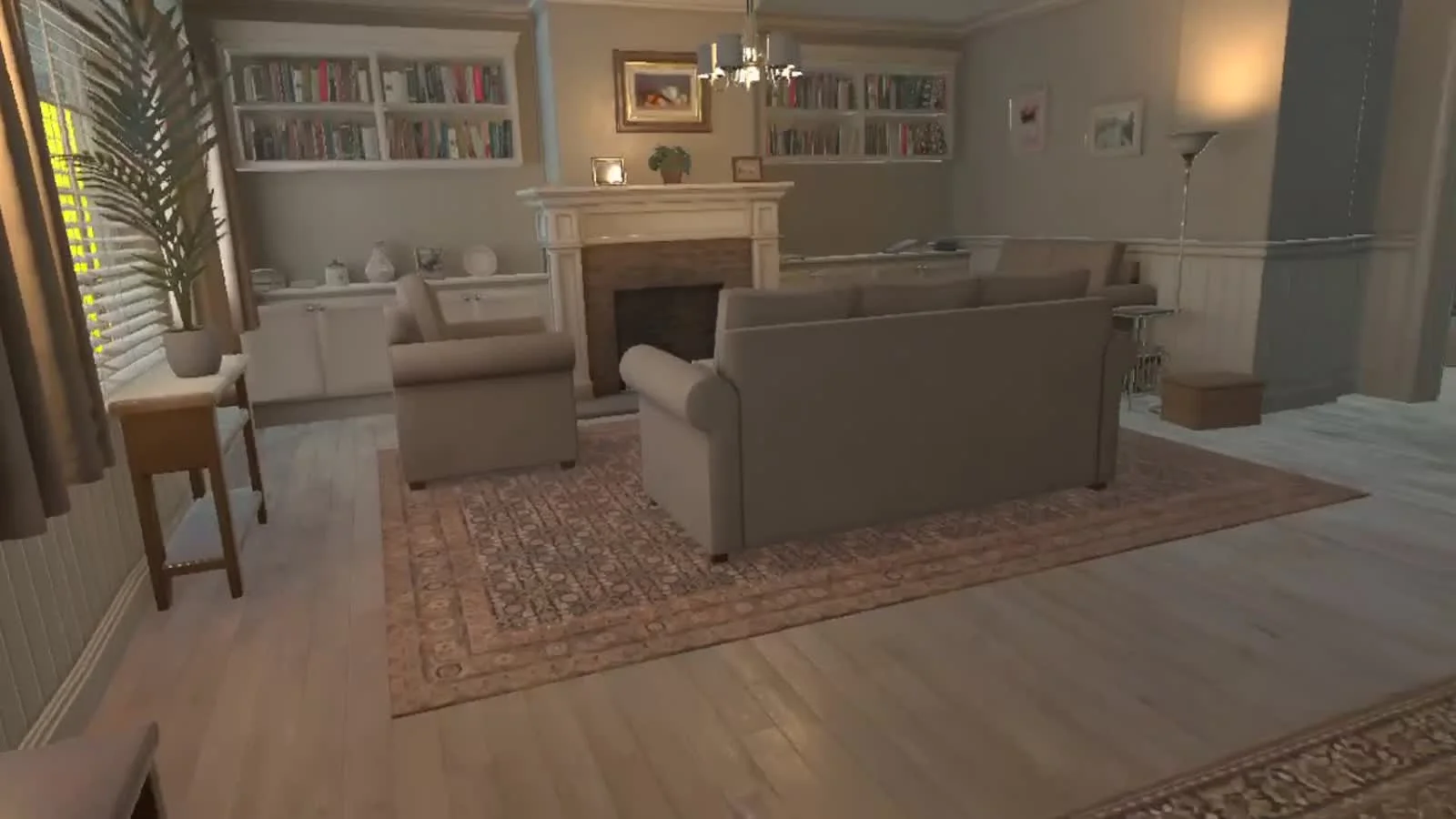
One day, told through what he forgets.
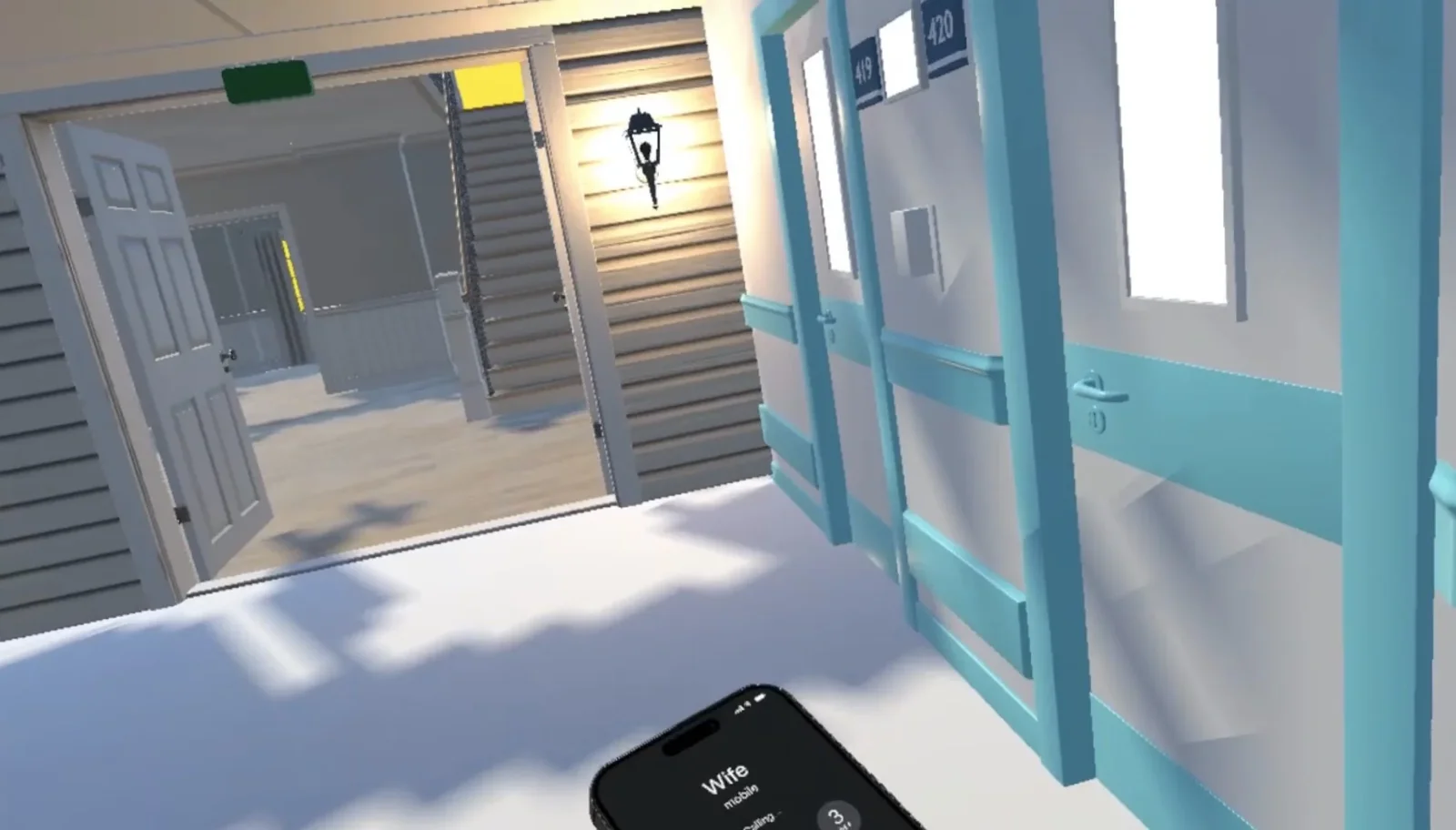
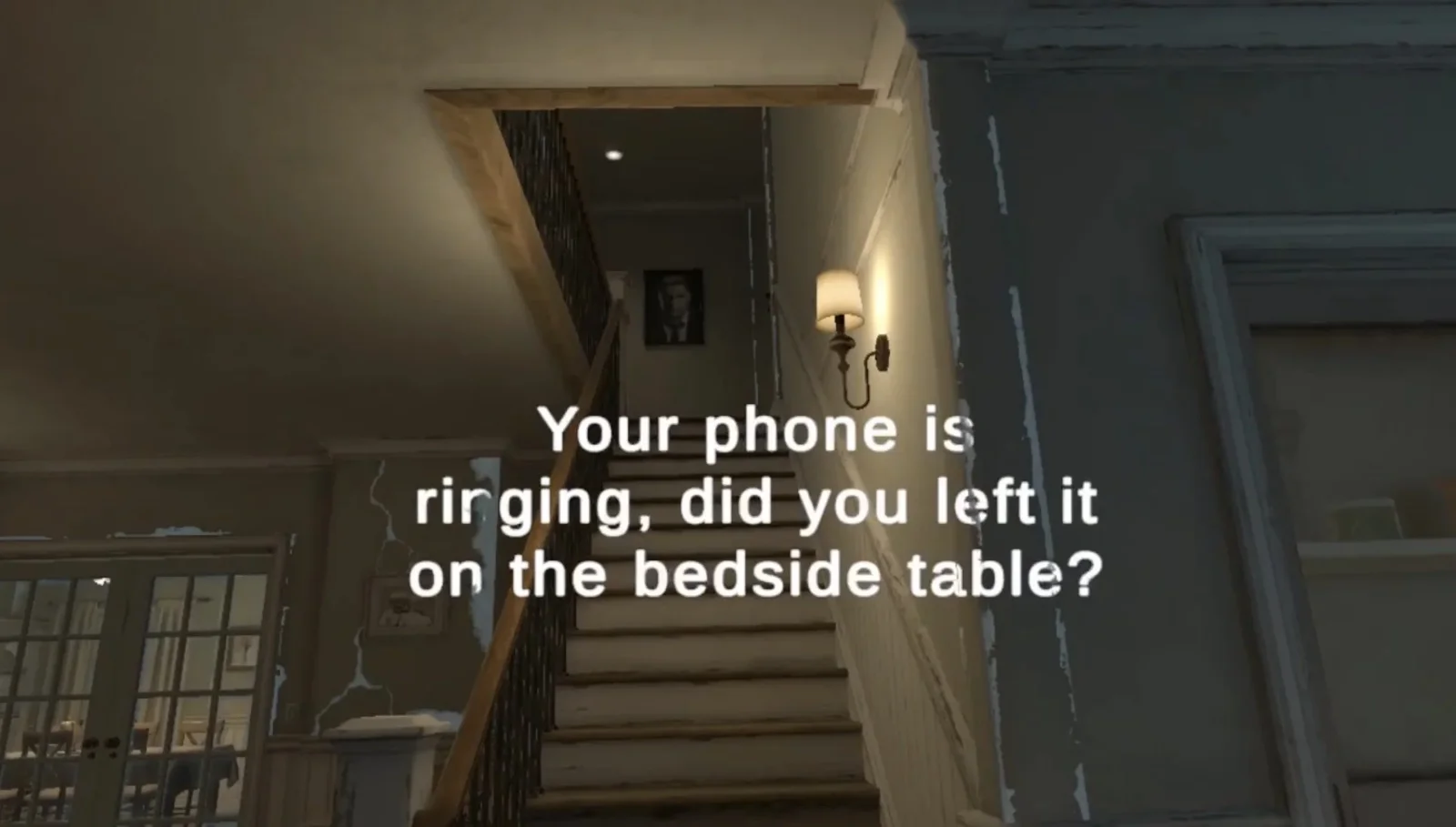
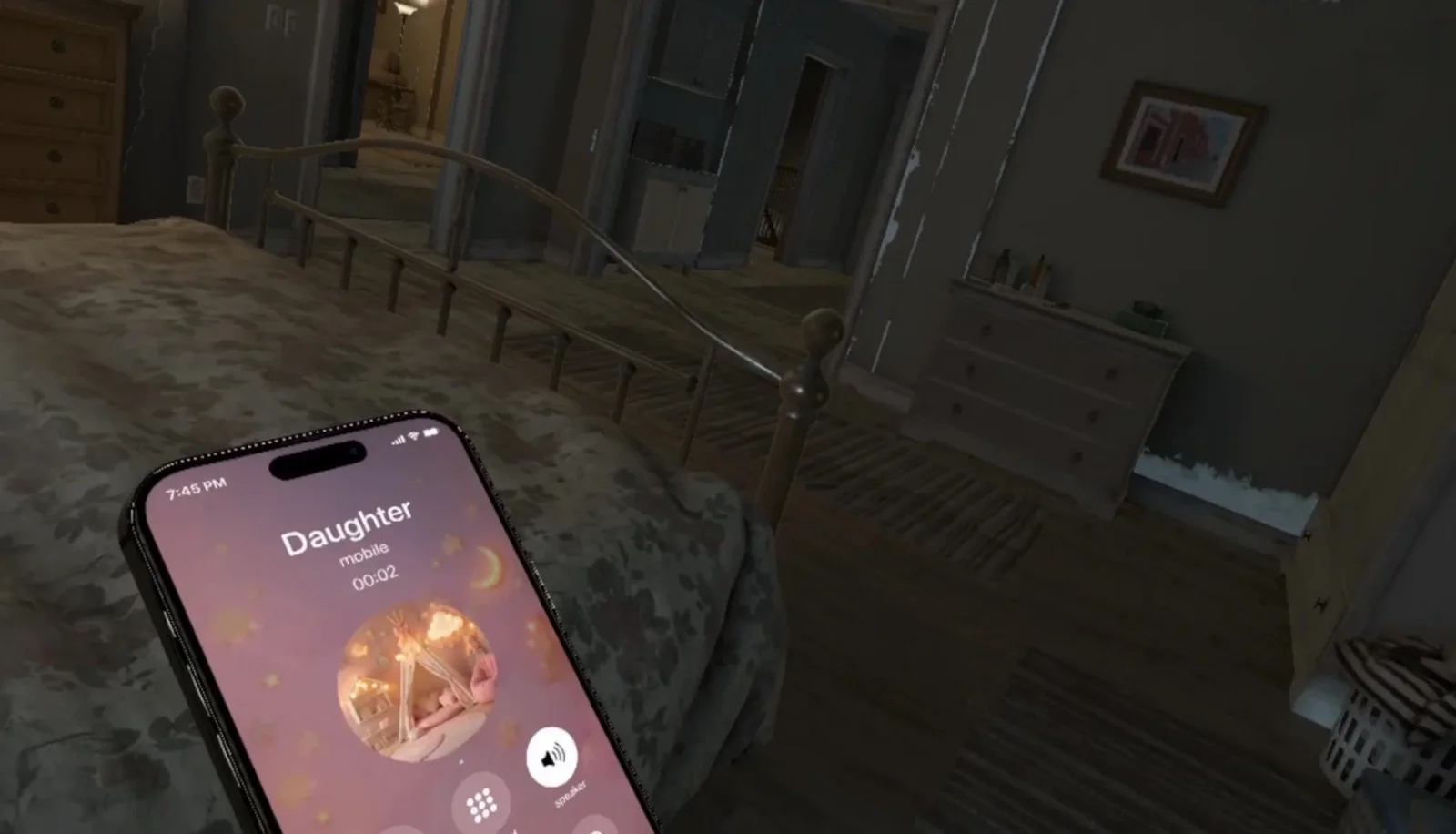
A two-minute cut of the in-headset walkthrough follows Dad from an ordinary-seeming morning, through an empty clinic and three dream spaces carried by his wife’s voice, to the phone call that ends the day.
Meet Dad, the player.
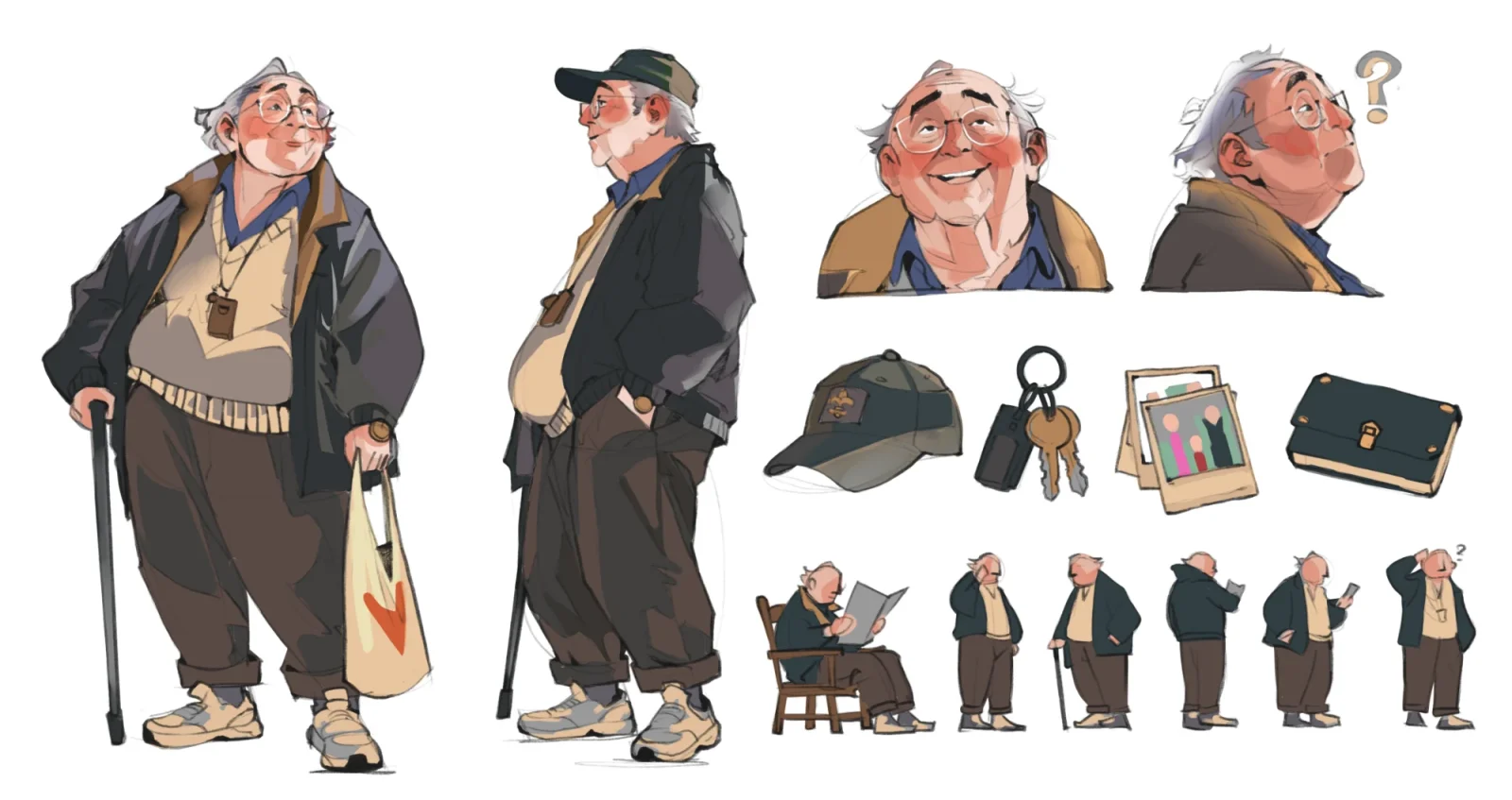
The player is a retired engineer in his seventies who has lived with Alzheimer’s for nearly ten years. With his cap, glasses, cane, and a lanyard of house keys, he is gentle, polite, and easily puzzled. He still believes it is a morning twenty years ago. The player sees through his eyes and hears his inner voice.
His daughter, then and now.
The daughter is designed twice. As an adult, she works, has a family of her own, and lives a town away, calling when she can. As a schoolgirl with headphones and a backpack, she is the only version of her that Dad still remembers, the girl he knocks for behind her bedroom door.
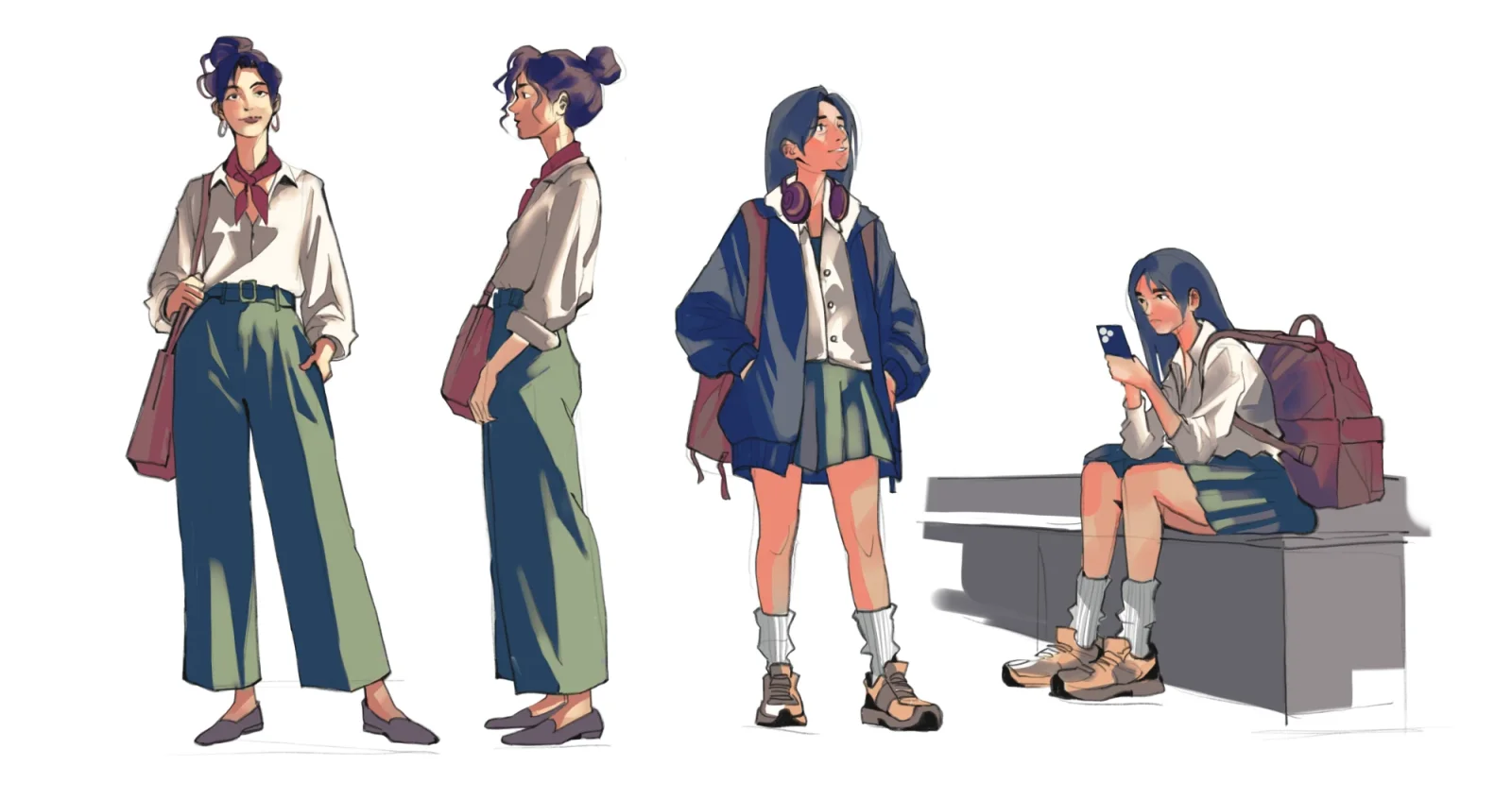
From sheet to sculpt.
Both characters were rebuilt in 3D from their painted sheets. Dad keeps his cane, tote, lanyard, and leather jacket. The adult daughter keeps her red neckerchief, belted trousers, and shoulder bag.
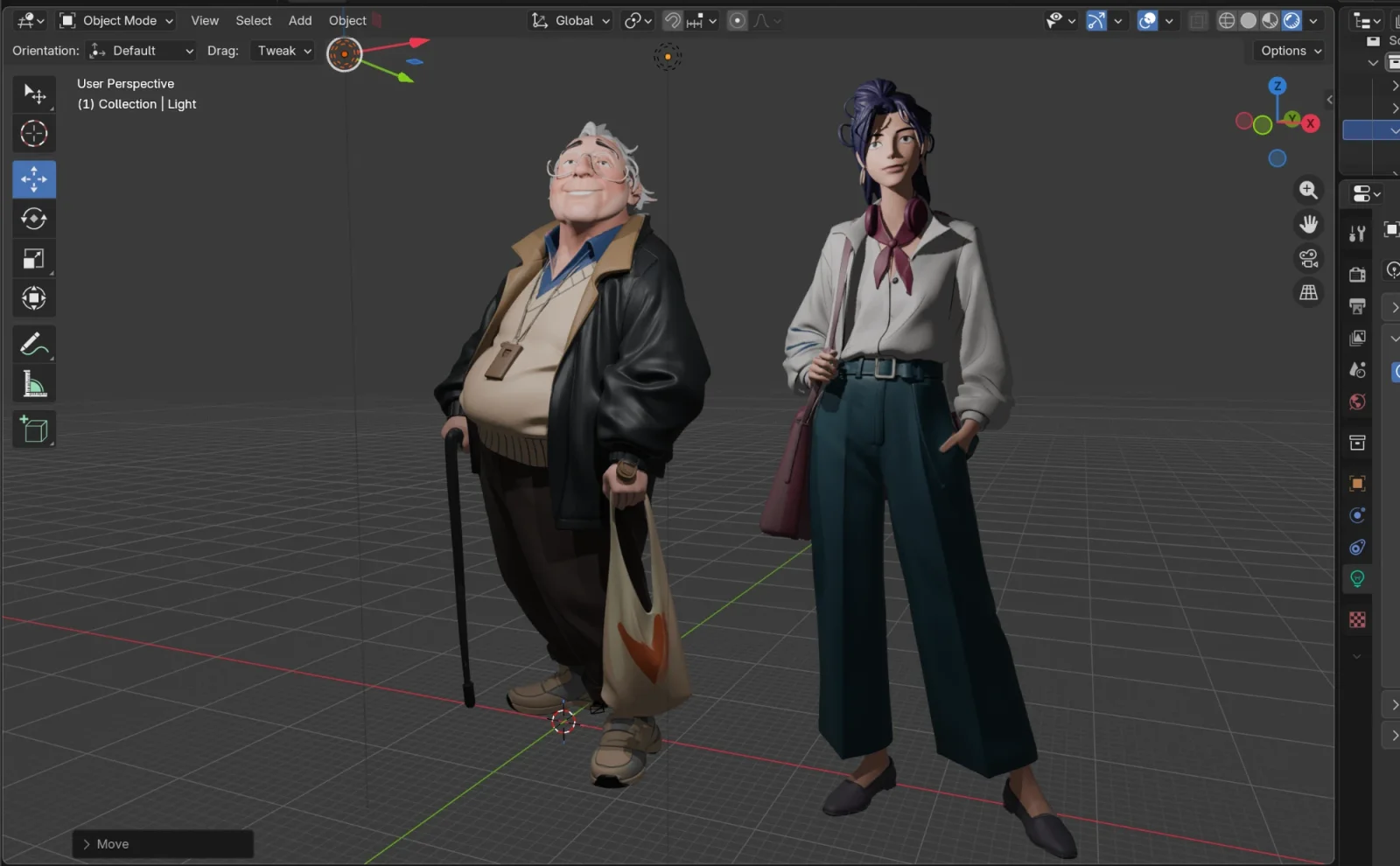
Clay first, then color.
Clay renders test Dad’s silhouette, posture, and upward, slightly lost smile before any material goes on. The finished renders stay close to the sheets, with soft skin tones and the same limited palette.

The moments he holds on to.
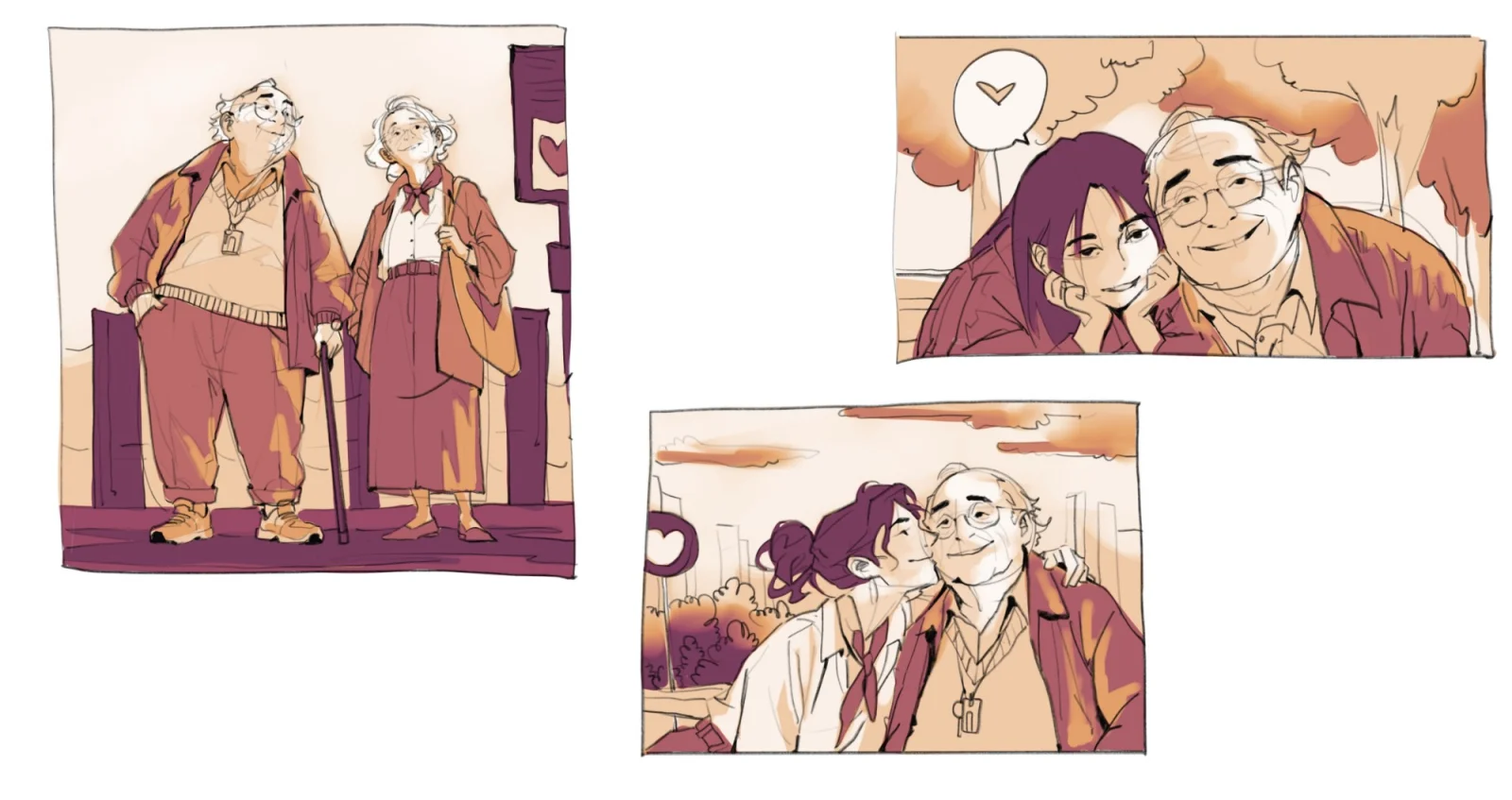
Warm two-tone sketches explore the memories behind the story: standing together on an ordinary street, leaning in for a photo, a kiss on the cheek. They are the kind of small moments the experience asks the player to notice before they slip away.
Telling a story through what changes.
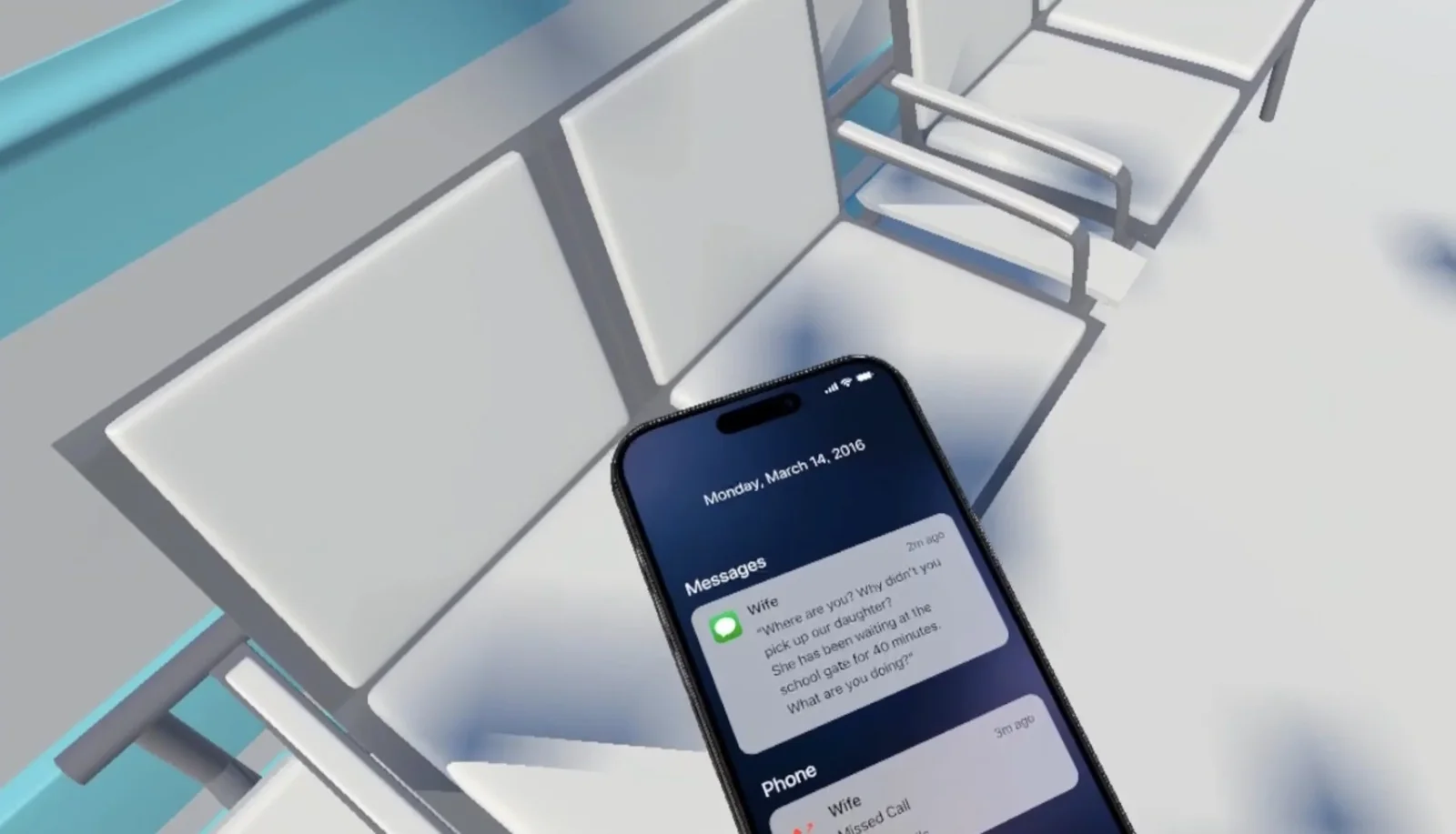
Everyday objects, phone calls, and environmental details carry the narrative. Contradictions in time and place invite the player to notice what feels different, while the story unfolds through exploration rather than a constant stream of explanation.
A clock as a narrative anchor.
The original concept follows a retired engineer repairing a clock given to him by his wife. Its components become entry points into fragmented memories. Phone interactions carry the player between scenes, while voices and silhouettes suggest people whose presence remains uncertain.
From home to an uncertain landscape.
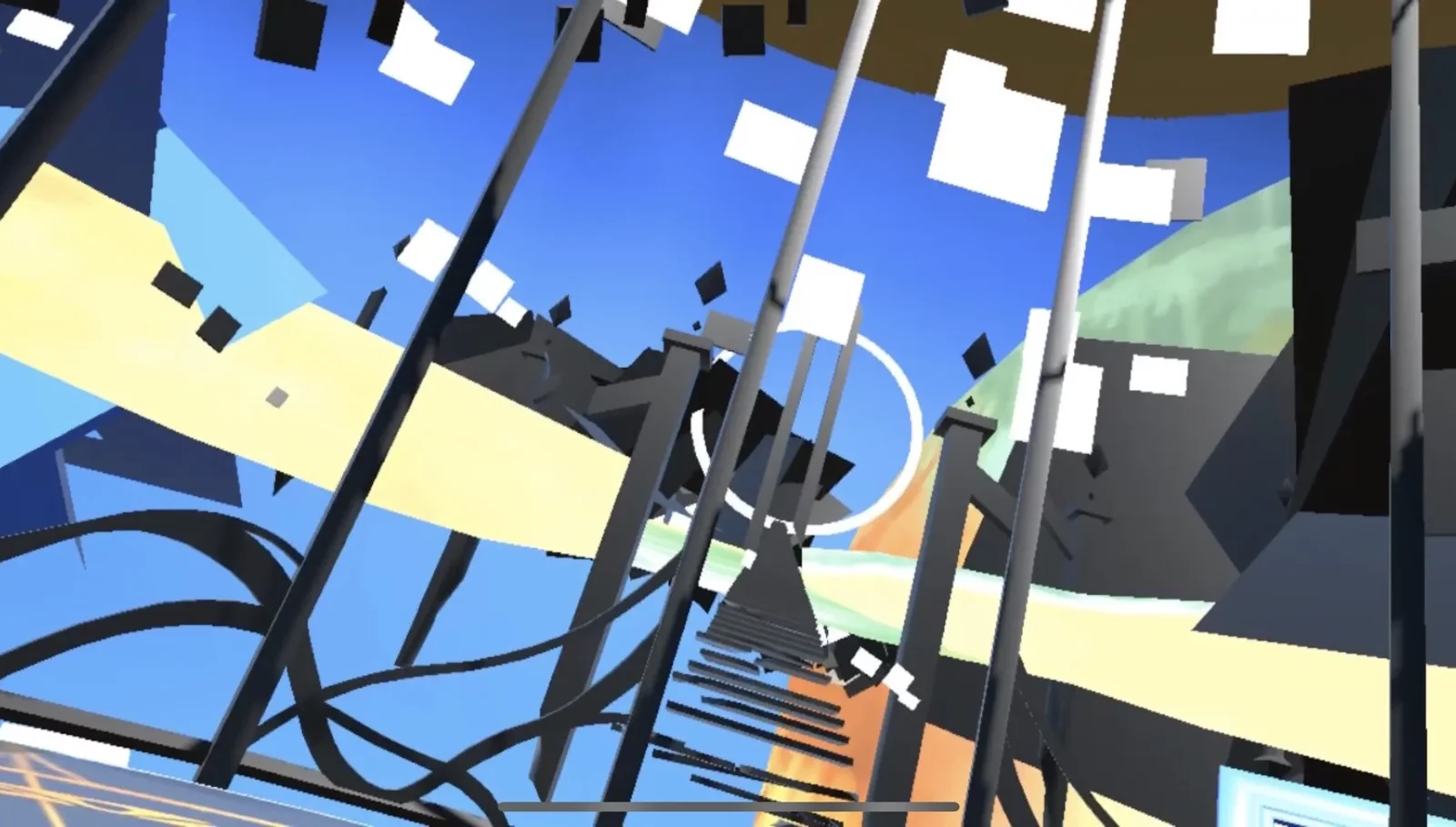
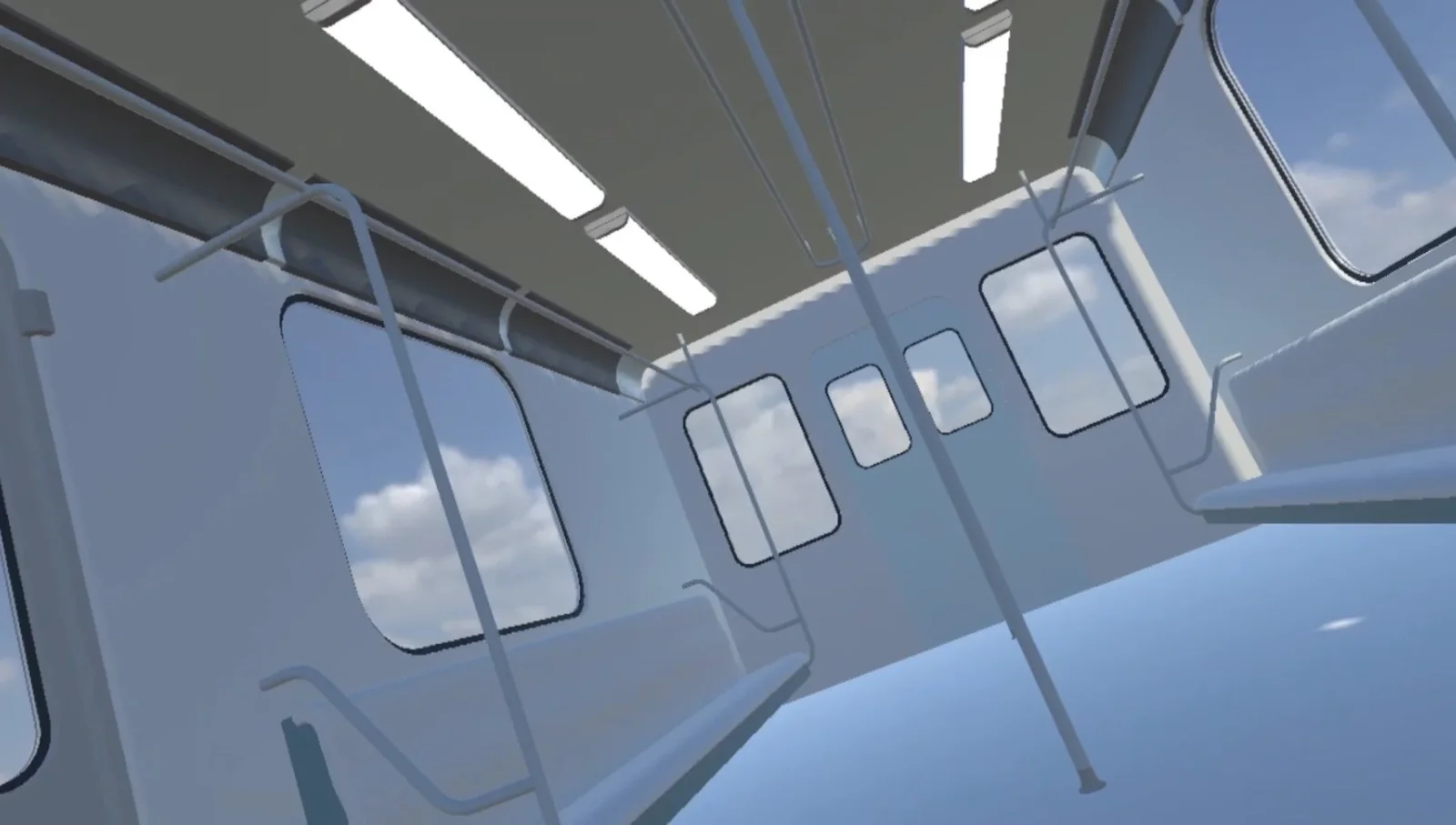
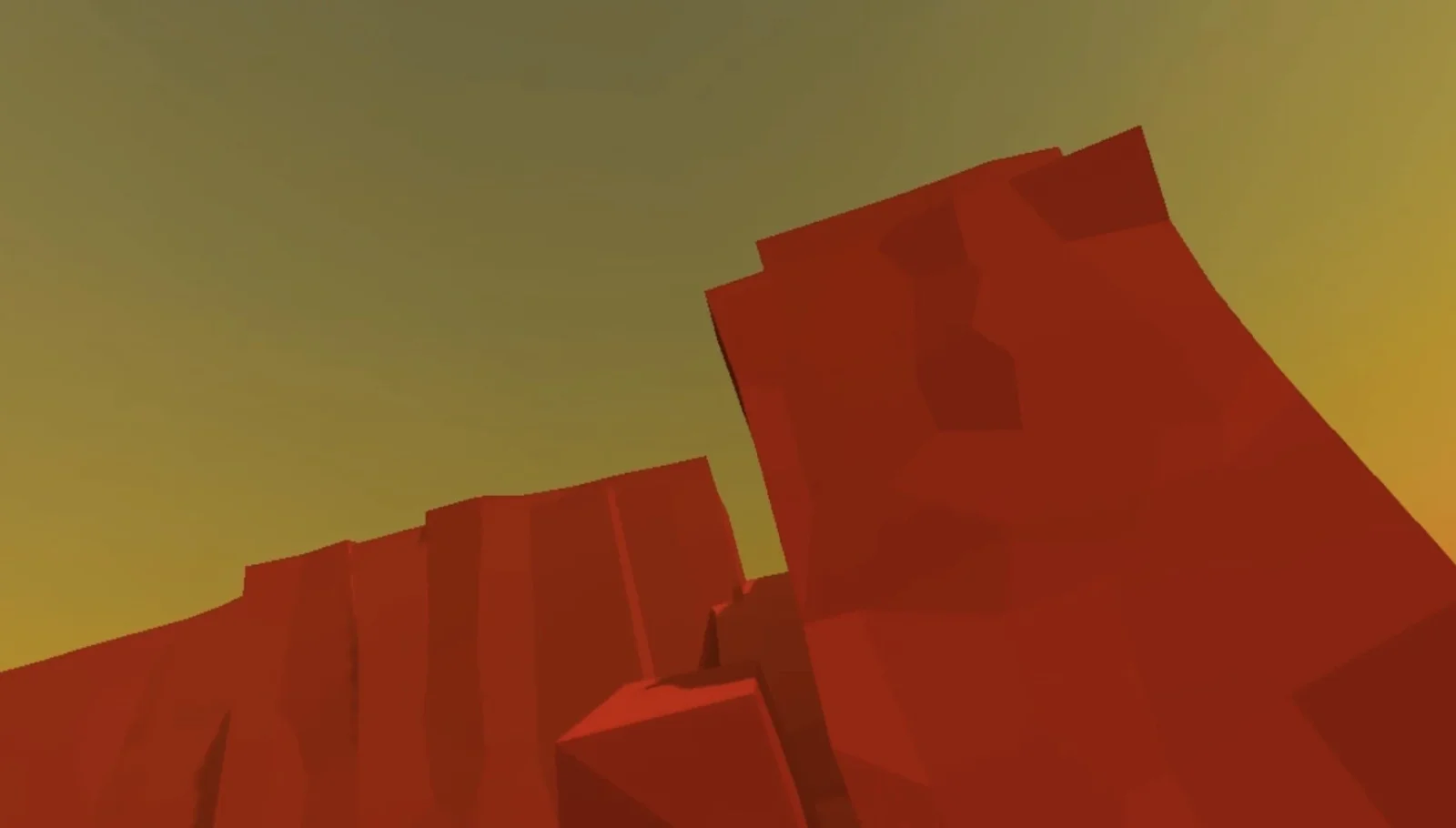
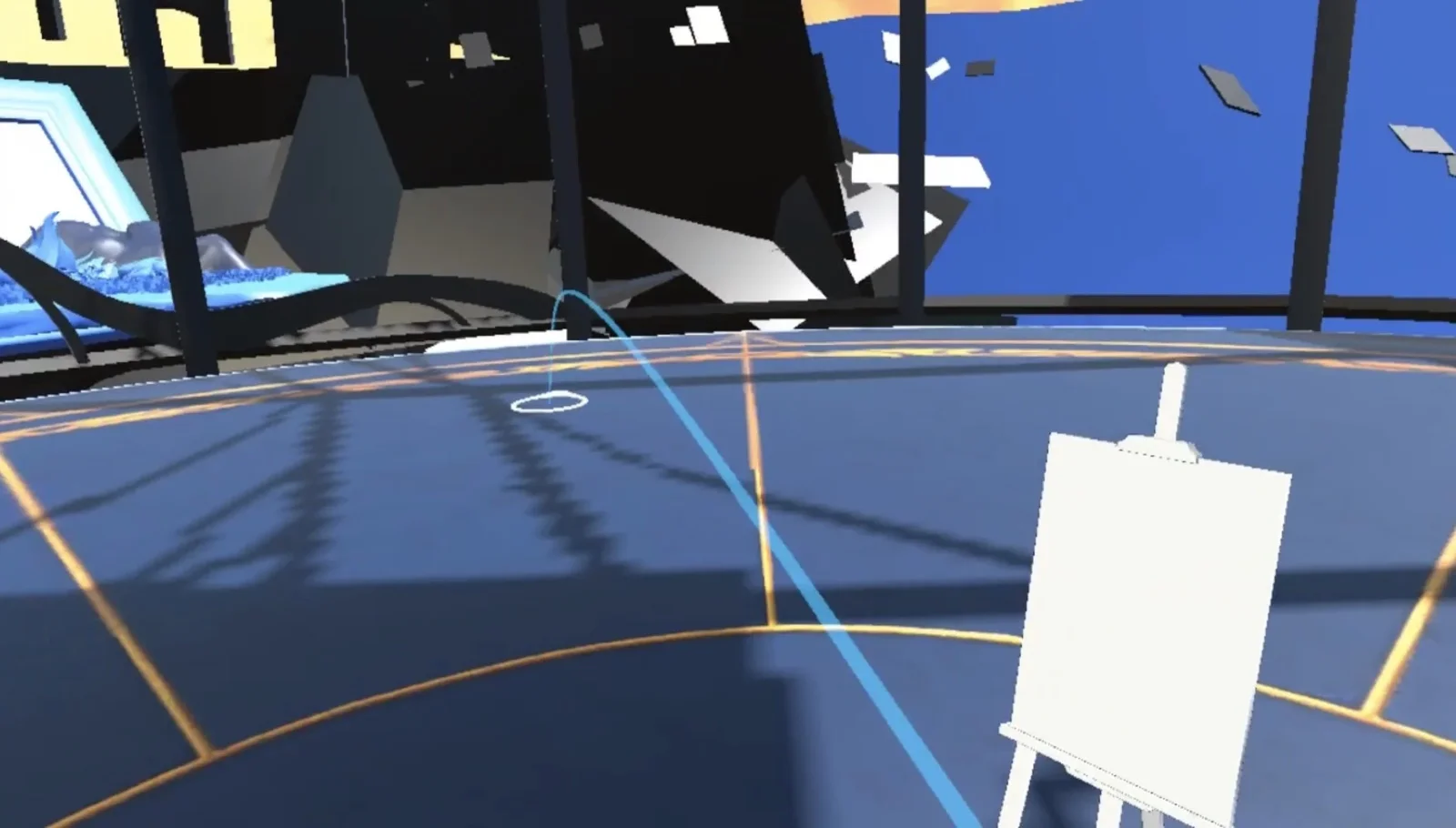
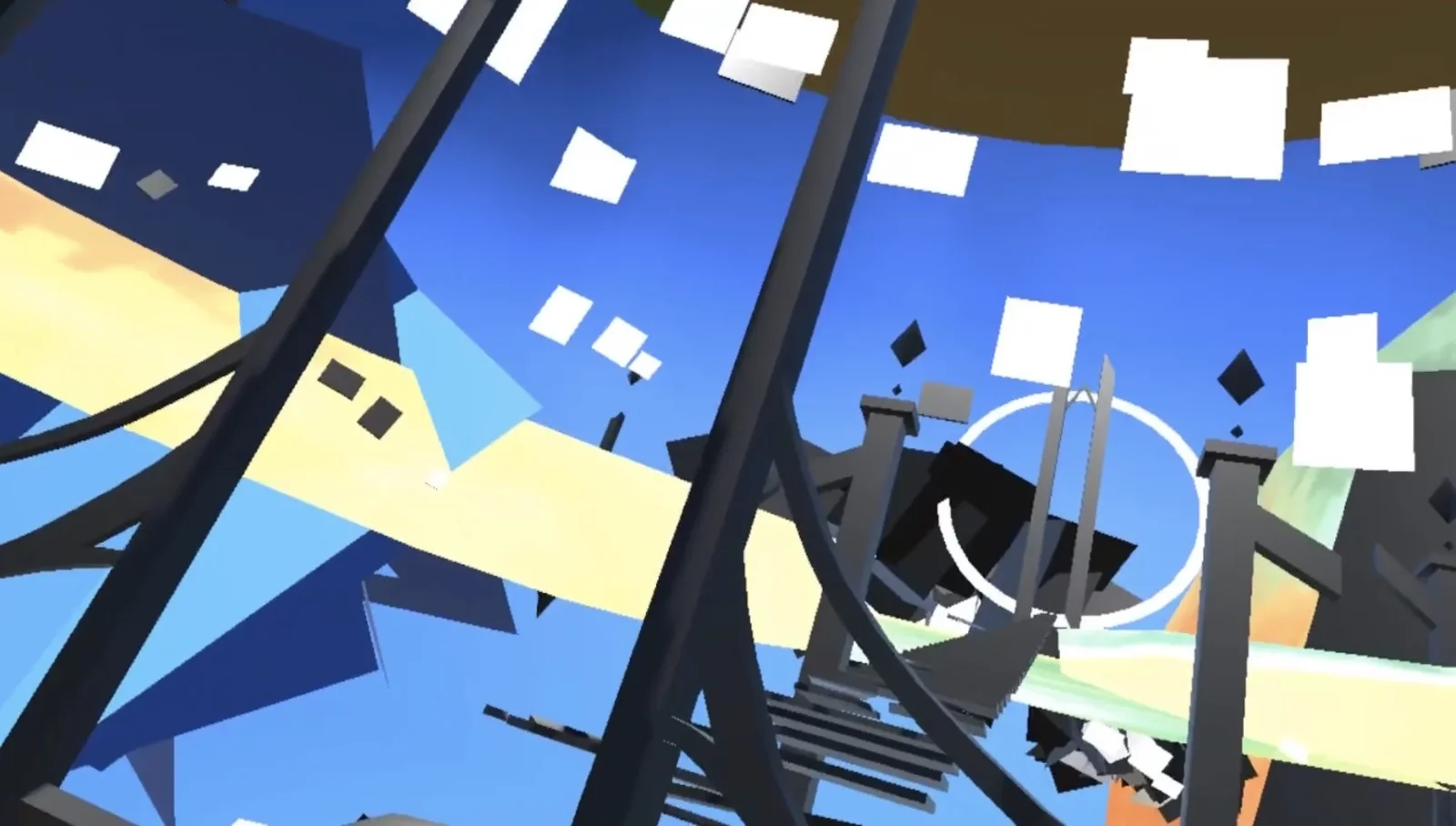
The prototype moves between domestic interiors and surreal environments. Changes in scale, atmosphere, sound, and spatial continuity turn the environment into part of the storytelling.
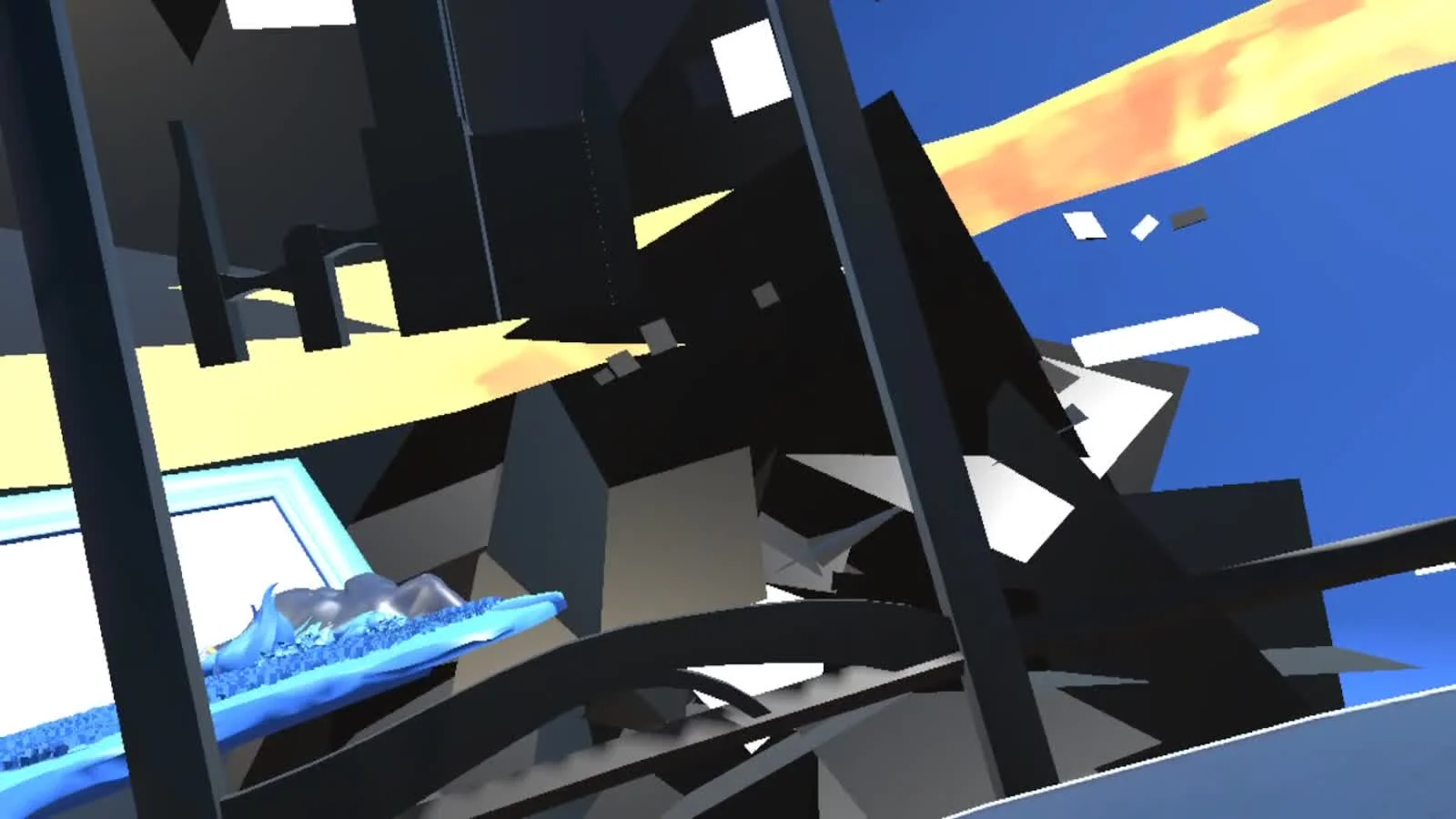
Designing for presence.
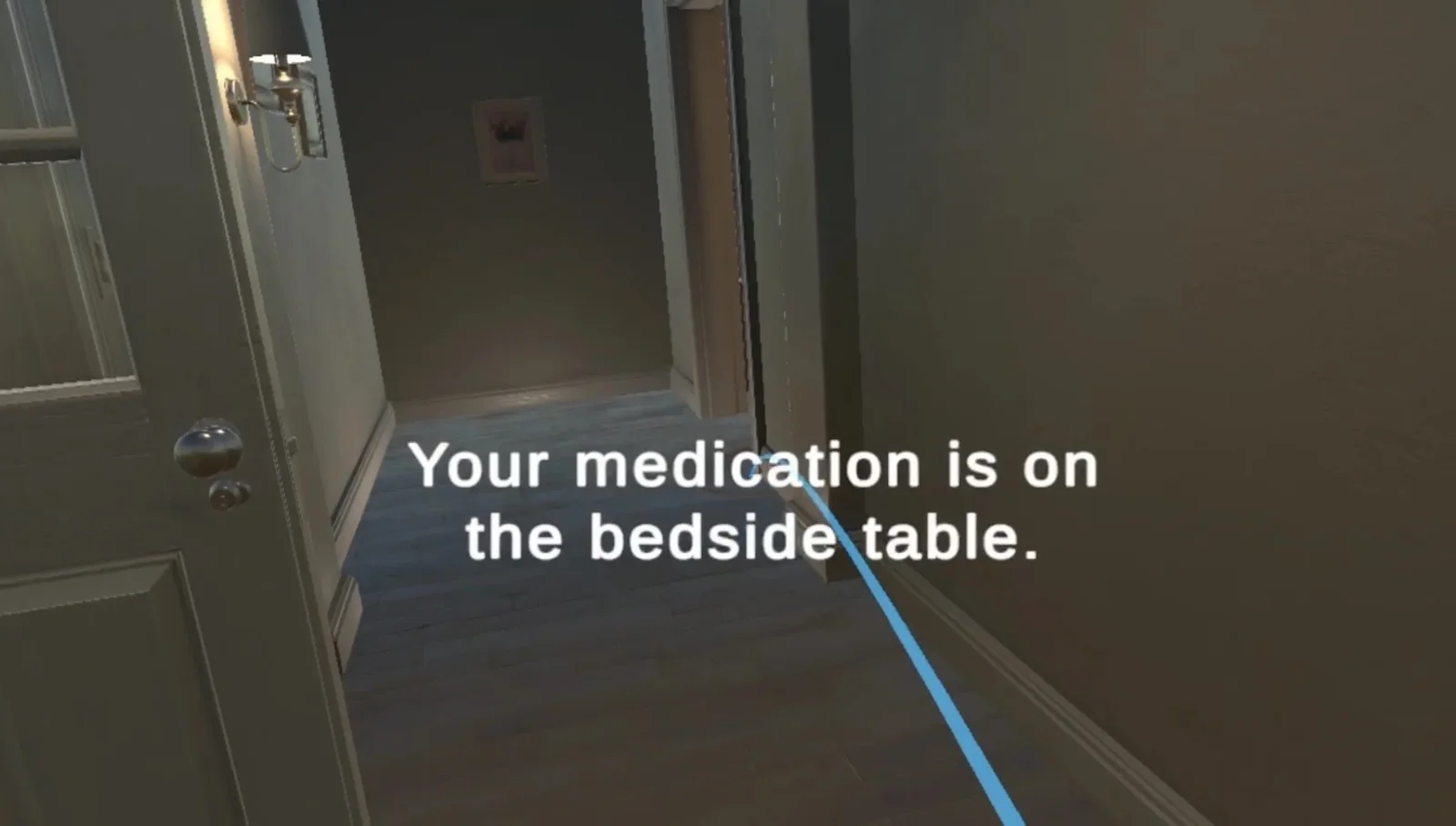
The interaction design explores object handling, proximity triggers, spatial prompts, and paced scene transitions on Meta Quest 2, 3, and 3S. The accompanying design and technical documents outline how narrative events, audio, and scene state work together.
Project gallery